
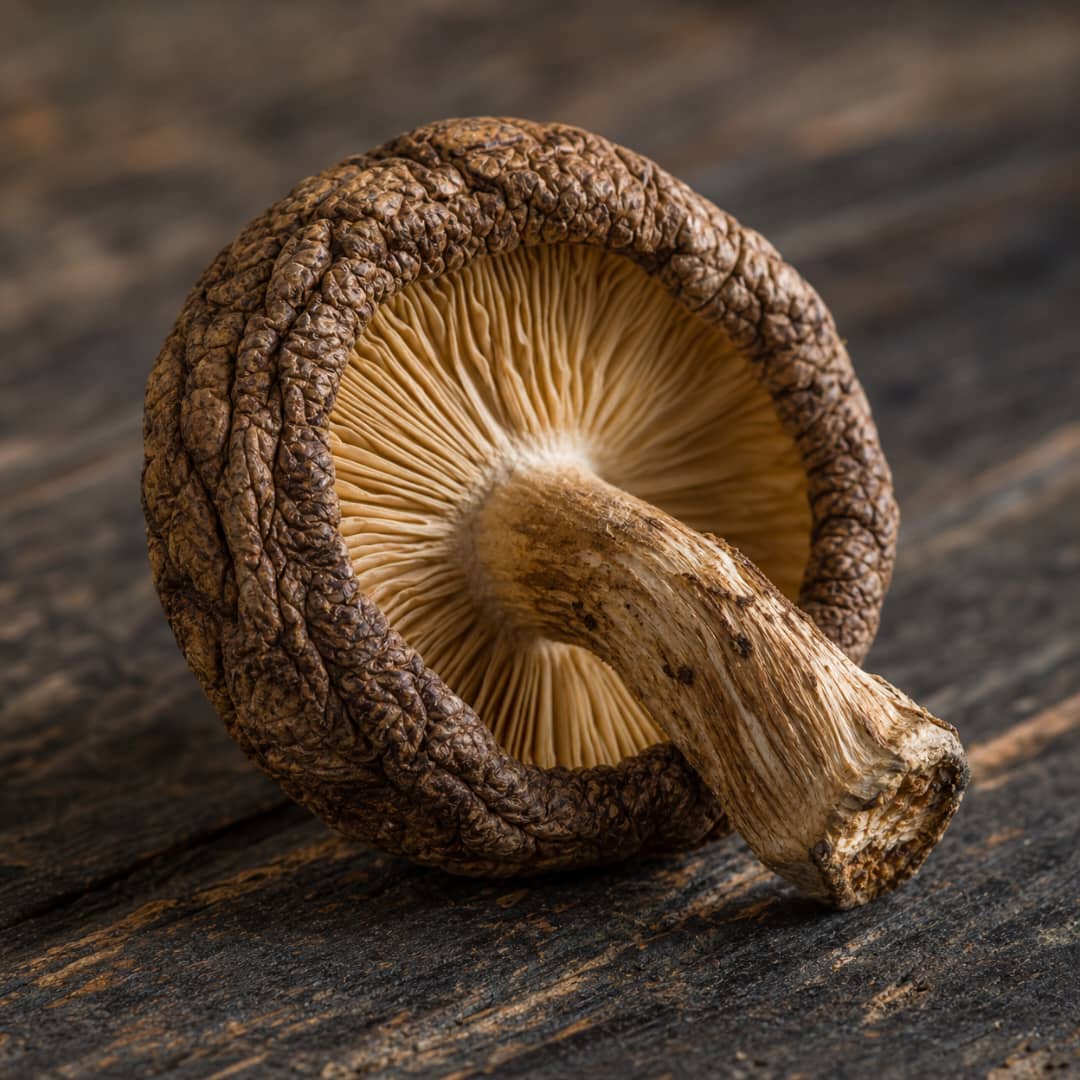
Dried Mushrooms
The Complete Guide to Dried Mushrooms: Varieties, Benefits, and How to Use Them
Dried mushrooms have become one of the most versatile and sought-after ingredients in kitchens around the world. Whether you are a professional chef, a home cook, or simply someone exploring the rich world of fungi, understanding dried mushrooms — their varieties, nutritional benefits, culinary uses, and how to store them — can genuinely transform the way you cook and eat. This guide covers everything you need to know about dried mushrooms, from the most popular varieties to the best methods of rehydration and cooking.
What Are Dried Mushrooms?
Dried mushrooms come in many varieties and include both wild and cultivated fungi. From Oysters and King Oysters, to Shiitakes and Ceps, to Morels and Girolles, the list is impressively long. As a general rule, virtually any species available fresh can also be found in its dried form. This means you are never limited in choice, regardless of the season or your location.
The drying process itself is a time-honoured preservation method. Approximately 450 grams of fresh mushrooms yields only 70 to 85 grams of dried mushrooms, which immediately tells you something important: dried mushrooms are extraordinarily concentrated in both flavour and nutrition. The primary purpose of drying fresh mushrooms is to preserve their freshness and make them available year-round. This is especially useful for mushrooms with short growing seasons, as well as those that grow exclusively in the wild and cannot be commercially cultivated on demand.
Popular Varieties of Dried Mushrooms
Oyster and King Oyster Mushrooms
Oyster mushrooms are among the most widely consumed fungi in the world, prized for their delicate texture and mild, slightly sweet flavour. When dried, they intensify beautifully, making them excellent for soups, pasta, and risottos. King Oyster mushrooms, their larger and meatier cousin, hold up especially well to drying and deliver a rich, umami-packed flavour that elevates almost any dish.
Shiitake Mushrooms
Shiitake is arguably the most famous culinary mushroom in Asian cuisine, and for good reason. In their dried form, shiitakes develop an even deeper, smokier flavour profile. They are a staple in broths, stir-fries, and noodle dishes, and the soaking liquid from rehydrated shiitakes is considered liquid gold in many East Asian kitchens.
Porcini (Ceps)
Porcini — also called Ceps or Boletus edulis — are the crown jewel of European dried mushrooms. Their rich, nutty, and deeply earthy flavour is the foundation of countless Italian and French dishes. Dried porcini are a pantry essential for any serious cook, capable of transforming a simple risotto or pasta sauce into something truly extraordinary.
Morels
Morels are among the most prized wild mushrooms in the world, with a honeycomb cap and an intensely earthy, almost smoky taste. Because they have a very short and unpredictable wild-growing season, dried morels are an excellent way to enjoy this luxury mushroom throughout the year.
Girolles (Golden Chanterelles)
Girolles, also known as Golden Chanterelles, are wild mushrooms celebrated for their fruity, apricot-like aroma and delicate flavour. In their dried form, they retain much of that distinctive character, making them a wonderful addition to cream sauces, egg dishes, and pan-fried accompaniments.
Why Choose Dried Over Fresh Mushrooms?
This is a question many buyers ask when exploring mushroom options. The answer lies in a combination of practicality, economics, and flavour.
Concentrated flavour: Because so much water is removed during drying, the flavour compounds in mushrooms become significantly more intense. Many chefs and food enthusiasts argue that dried mushrooms actually surpass their fresh counterparts in depth of taste.
Long shelf life: One of the most compelling advantages of dried mushrooms is their storage longevity. When kept in proper conditions — cool, dry, and away from direct light — dried mushrooms can last upwards of a year, sometimes longer. This makes them far more economical than fresh mushrooms, which spoil within days.
Year-round availability: Many premium wild mushrooms like Morels, Girolles, and Porcini are seasonal and can be nearly impossible to find fresh outside of their short harvest windows. Drying solves this problem entirely, giving you access to these special varieties whenever you need them.
No water weight: When you buy fresh mushrooms, a significant portion of what you pay for is water — mushrooms are composed of up to 90% water. Dried mushrooms remove that equation entirely, meaning every gram you purchase is pure, flavour-dense fungi.
When sourcing quality dried mushrooms, it is important to choose a supplier who takes care in the drying and packaging process. Poor-quality dried mushrooms are often full of dust and crumble easily — a clear sign that the fungi are past their prime. Good suppliers ensure their packages are intact, with whole or cleanly broken pieces that retain their shape and aroma.
How to Rehydrate and Cook With Dried Mushrooms
Using dried mushrooms in your cooking is straightforward once you know the technique. There are two main approaches: rehydration and grinding.
Rehydration Method
The best way to rehydrate dried mushrooms is to simmer them gently for about 15 minutes. This not only plumps the mushrooms back up but also helps release any residual grit that could spoil the texture of your finished dish. While water is the most common rehydrating liquid, you can also use broth, juice, beer, or wine to add extra layers of flavour right from the start.
Once simmered and drained, the rehydrated mushrooms can be added directly to your recipe. Crucially, do not discard the soaking liquid — strain it carefully through a fine mesh or cheesecloth and use it as a rich, flavourful broth in soups, sauces, gravies, and risottos.
Rehydrated mushrooms perform similarly to fresh mushrooms in most recipes. They are particularly well-suited to soups, stews, sauces, and stir-fries. The key tip is to add them early in the cooking process, allowing their bold, concentrated flavours to fully integrate with the other ingredients.
Grinding Into Powder
For a different application entirely, dried mushrooms can be blended or ground into a fine powder using a spice grinder or blender. Mushroom powder is an incredibly versatile seasoning that can be stirred into sauces, rubbed onto meats, folded into butter, or sprinkled over roasted vegetables. It is an easy, no-fuss way to add a deep umami dimension to virtually any savoury dish without any rehydration required.
The Health Benefits of Dried Mushrooms
Beyond their culinary value, dried mushrooms offer a remarkable array of health benefits that are largely comparable to those of fresh mushrooms. The nutritional integrity of mushrooms is well preserved through drying, making them a genuinely functional food in addition to a delicious one.
Key health benefits of dried mushrooms include:
- Immune system support: Many mushroom varieties, particularly Shiitake and Oyster, contain beta-glucans and other bioactive compounds that strengthen the immune system’s response to pathogens and environmental stress.
- Cancer-protective properties: Research has pointed to the presence of antioxidants and compounds in mushrooms that may help protect against breast cancer and prostate cancer.
- Combating high cholesterol: Certain mushroom compounds have been shown to help regulate LDL cholesterol levels, supporting cardiovascular health.
- Prevention of anaemia and diabetes: Mushrooms are a source of iron and B vitamins, contributing to healthy blood production, while their low glycaemic profile supports blood sugar regulation.
- Weight management: High in fibre and protein yet low in calories, dried mushrooms are an excellent food for those managing their weight.
- Detoxification support: Mushrooms contain natural compounds that help the body fight toxins and carcinogens, supporting liver function and overall detox pathways.
These benefits make dried mushrooms not just a pantry staple, but a genuine contributor to long-term health and wellbeing.
Where to Buy Quality Dried Mushrooms
With so many options available, sourcing high-quality dried mushrooms from a trusted supplier makes all the difference. For a wide and curated selection of both common and rare dried mushroom varieties, Exodelics is a destination worth exploring. Whether you are stocking your kitchen with everyday essentials or hunting for something more unusual and specialty, finding a reliable source ensures you always get fresh, properly dried, and ethically sourced fungi.
Dried mushrooms are available all around the world and at all times of year, making them one of the most accessible and rewarding ingredients to add to your culinary repertoire. Whether you are shopping for a single variety or building a complete collection, the world of dried mushrooms rewards curiosity and experimentation in equal measure.
Final Thoughts
Dried mushrooms represent a perfect intersection of culinary excellence, nutritional value, and practical convenience. They are affordable, long-lasting, intensely flavourful, and endlessly versatile. From the smoky depth of a dried mushroom to the delicate earthiness of a Girolle, there is a dried mushroom variety for every palate and every dish. Start exploring today, and discover why cooks around the world consider them an indispensable kitchen staple.